Carat Weight | The Diamond Carat Weight System ExplainedCarat Weight | The Diamond Carat Weight System Explained
In the realm of diamonds, carat weight stands as a significant metric, influencing both the aesthetics and the value of these precious gems. This article delves into the intricacies of the Diamond Carat weight system, exploring the concept of a “magic size” diamond, shedding light on the average carat sizes purchased for engagement rings in the European Union, and examining how carat weight impacts the overall value of diamonds.
What is a “Magic Size” Diamond?
A “magic size” diamond refers to certain carat weights that are often considered particularly desirable or special in the diamond market. These weights are perceived as having a balance between size, rarity, and perceived value, making them popular choices among buyers. The concept of magic sizes is somewhat subjective and can vary based on individual preferences, cultural influences, and market trends.

Here are some examples of carat weights that are commonly regarded as magic sizes:
- One-Carat Mark: Diamonds that are just above or below the one-carat mark are often considered magic sizes. For instance, a 0.90-carat or 1.10-carat diamond may be sought after by buyers who want a substantial appearance with a slight cost advantage compared to a full one-carat diamond.
- Half-Carat and Three-Quarter Carat: Diamonds at the half-carat (0.50) and three-quarter-carat (0.75) marks are also frequently seen as magic sizes. These weights offer a balance between size and budget considerations, making them appealing choices for various consumers.
- Whole Numbers: Round carat weights, such as 1.00 carat or 2.00 carats, are often considered magical. These round numbers are aesthetically pleasing and are commonly associated with benchmark sizes.
The concept of magic sizes can be influenced by market trends, cultural preferences, and even psychological factors related to how consumers perceive diamond sizes. While some buyers may prefer the prestige of a larger diamond, others may find appeal in the uniqueness of specific carat weights that offer a harmonious blend of size and value.
It’s essential to note that the definition of magic sizes is not universally standardized, and individual preferences play a significant role in determining what might be considered magical for a particular buyer. Ultimately, the magic of a diamond is a personal choice, and consumers are encouraged to select a carat weight that aligns with their preferences and the significance they attribute to the size of the diamond.
Average Carat Sizes Purchases For Engagement Rings In The European Union
Regional Trends:
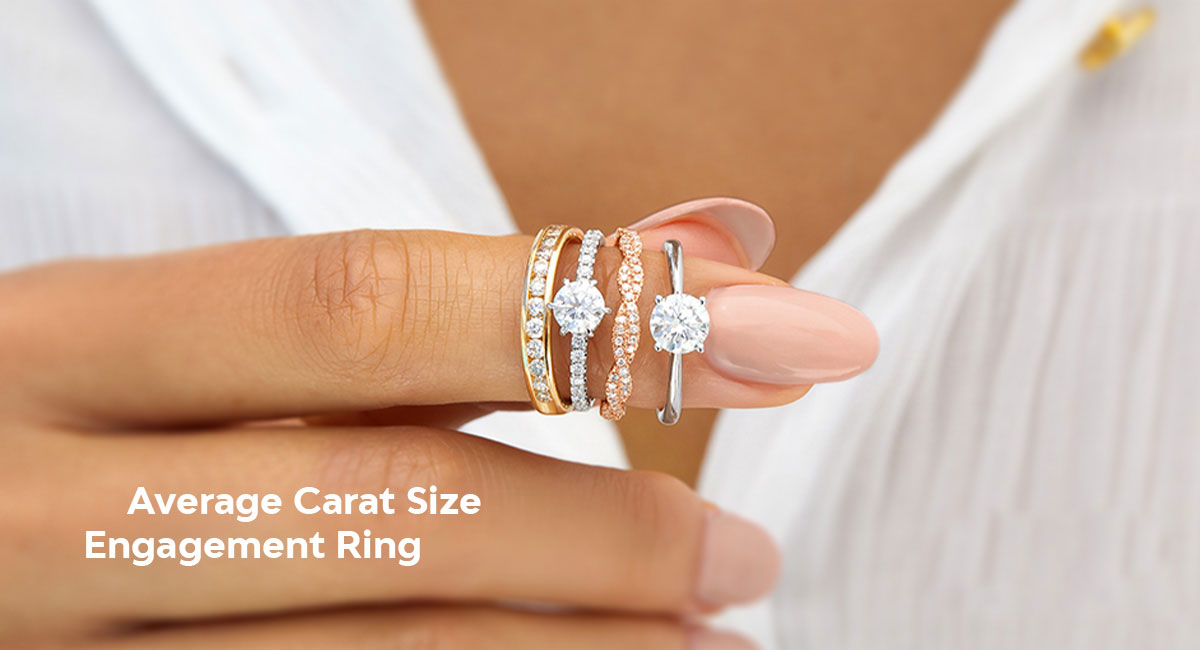
The average carat size for engagement rings can vary based on cultural preferences, economic factors, and individual tastes. In the European Union, where diverse traditions and styles coexist, the average carat size can provide insights into prevailing preferences.
Trends and Considerations:
- Moderate Sizes: European consumers often appreciate more modest sizes compared to some other regions. Sizes around 0.50 to 1.00 carats are commonly favored for engagement rings, emphasizing quality and craftsmanship alongside size.
- Preference for Brilliance: Rather than focusing solely on carat weight, European buyers often prioritize the cut, color, and clarity of a diamond, valuing brilliance and sparkle.
- Quality Over Size: Quality and craftsmanship are often highly valued in the European market. Consumers may opt for diamonds with excellent cut grades and high clarity, even if the carat size is more modest.
How Does Carat Weight Affect the Value of Diamonds?
Carat weight is one of the key factors influencing the value of diamonds, and it plays a significant role in determining the overall cost of a diamond. Understanding how carat weight affects the value of diamonds involves considering several factors:
Rarity and Size Perception:
- Rarity: Larger diamonds are generally rarer than smaller ones, especially when considering high-quality diamonds with desirable characteristics. As a result, larger diamonds often command higher prices due to their scarcity.
- Perceived Size: Carat weight directly influences the perceived size of a diamond. Consumers often associate larger carat weights with more significant and valuable stones.
Pricing Structure:
- Non-Linear Pricing: Diamond pricing is not linear. A one-carat diamond is not simply double the price of a 0.50-carat diamond. Larger diamonds often have a higher price per carat due to their rarity and desirability.
- Price Breaks: There are often price breaks at popular carat weights. For example, there may be a price difference between a diamond that is just under one carat and one that is slightly over one carat.
Balancing Factors:
- Cut Quality: The way a diamond is cut significantly impacts its brilliance. Well-cut diamonds reflect light in a way that enhances their beauty. A well-cut smaller diamond may be more valuable than a larger, poorly cut one.
- Color and Clarity: These characteristics also influence a diamond’s value. Diamonds with higher color grades (less color) and fewer inclusions (higher clarity) are generally more valuable.
Market Trends and Consumer Preferences:
- Trends and Demand: Market trends and consumer preferences can influence the value of diamonds. If there is a higher demand for larger diamonds, prices for diamonds of those sizes may increase.
- Regional Preferences: Different regions and cultures may have varying preferences when it comes to the size of diamonds in jewelry. This can impact the perceived value of diamonds in different markets.
Finding the Right Balance:
- Personal Preferences: Ultimately, the value of a diamond is subjective and depends on personal preferences. Some buyers prioritize size, while others may focus more on other characteristics such as cut, color, and clarity.
- Budget Considerations: Carat weight is a crucial factor in determining a diamond’s cost. Buyers often need to find a balance between carat weight and other quality factors within their budget.
Conclusion
Carat weight serves as a pivotal factor in the world of diamonds, influencing both the aesthetics and financial aspects of these coveted gems. Understanding the concept of “magic size” diamonds, exploring regional preferences such as those in the European Union, and appreciating how carat weight interacts with other quality factors provides consumers with the knowledge needed to make informed and satisfying diamond purchases. Whether seeking a modest yet brilliant stone or a larger, rarer gem, the magic of diamonds lies not only in their size but in the unique combination of characteristics that make each one a singular and cherished treasure.…